What Is Refractory Lining?
Every furnace, kiln, or reactor that operates above ambient temperature needs a barrier between the process heat and the steel shell holding it together. That barrier is refractory lining.
Refractory lining is the layer of heat-resistant material installed inside industrial equipment, furnaces, kilns, boilers, incinerators, and reactors, to withstand extreme temperatures, chemical attack, and mechanical wear. Without it, the steel structure would fail within hours of exposure to process heat.
What Refractory Lining Actually Does
A lining system serves three functions at once:
Thermal protection. Refractory materials insulate the steel shell from temperatures that can exceed 1600°C, depending on the process. This protects structural integrity and keeps external shell temperatures within safe working limits.
Chemical resistance. Linings are engineered to resist slag, chemical attack, and erosion from the materials moving through the vessel, molten metal, process gases, or abrasive feedstock.
Mechanical durability. Beyond heat, linings absorb physical wear from loading, abrasion, and thermal cycling as equipment heats up and cools down over its operating life.
Common Refractory Lining Types
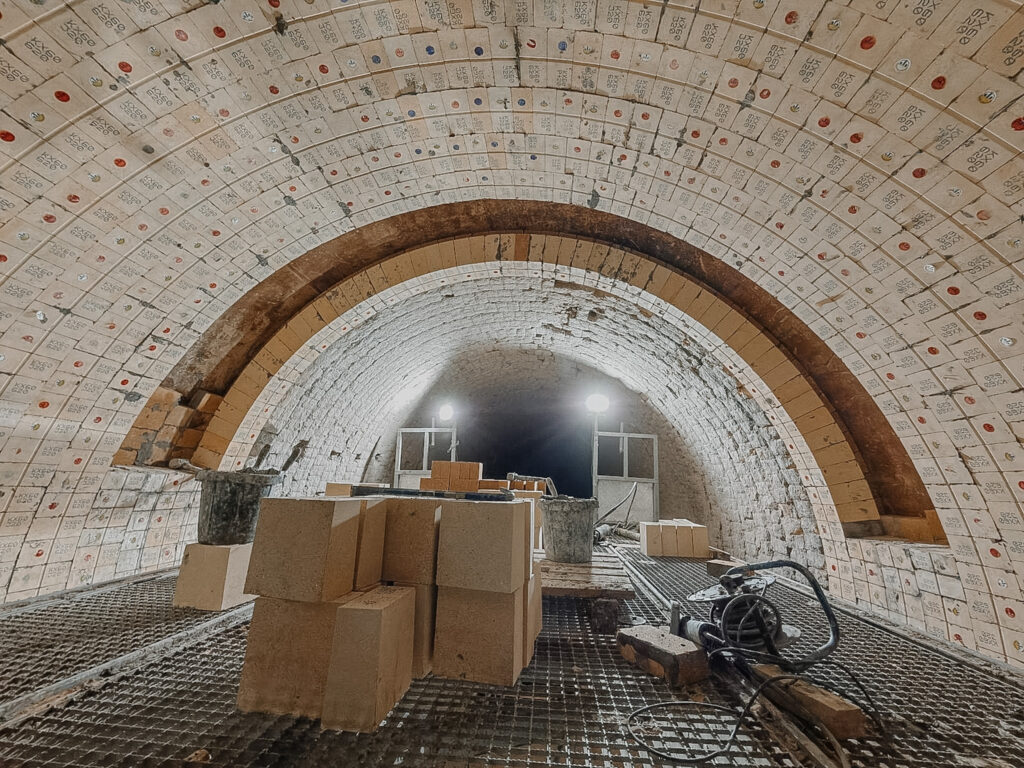
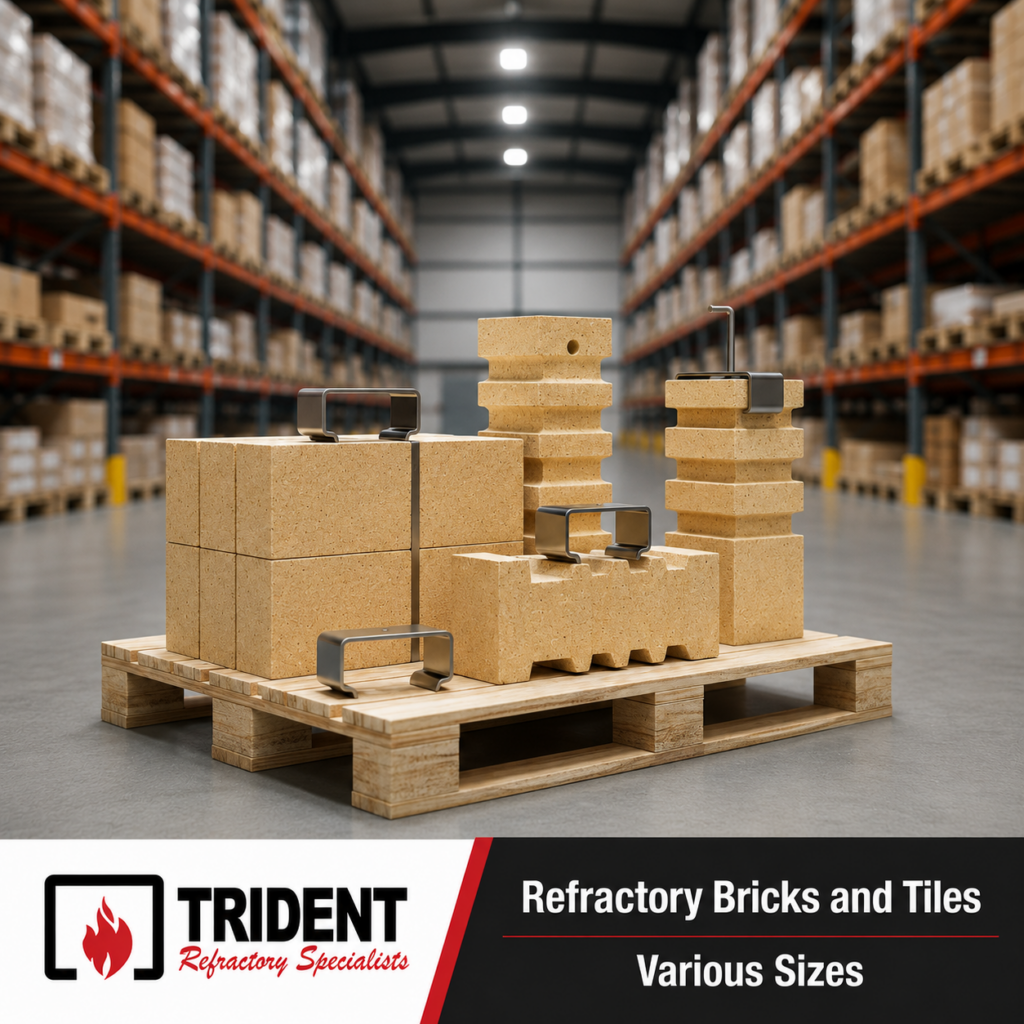
- Fire bricks and fire tiles — dense, shaped units for high-wear zones
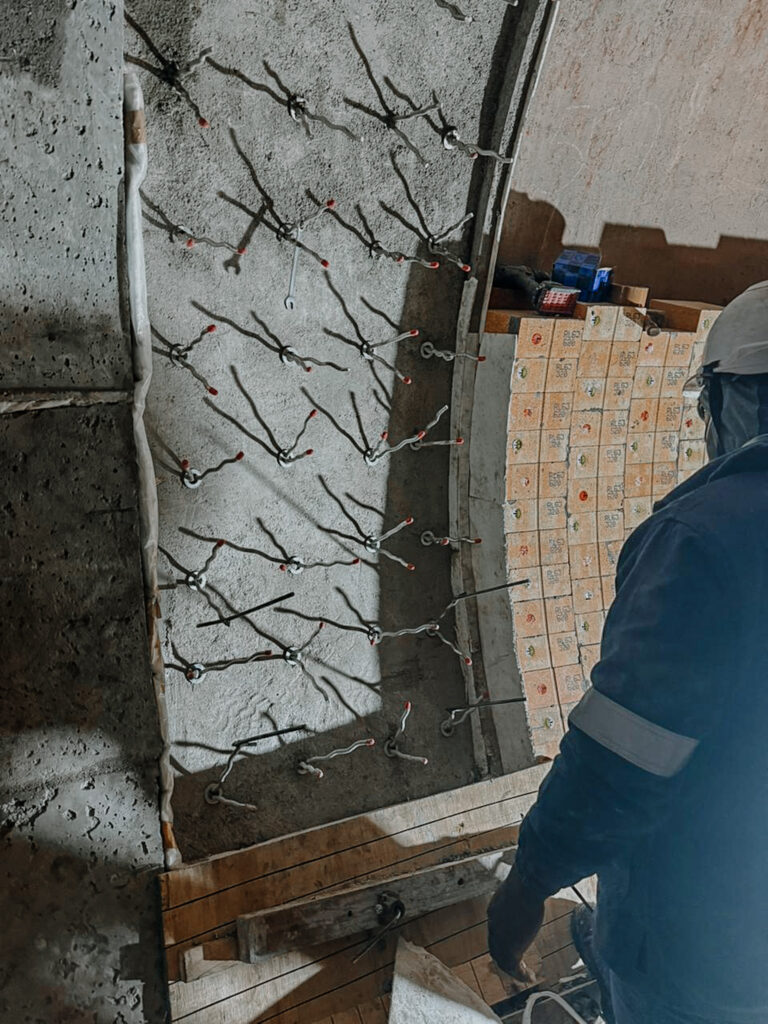
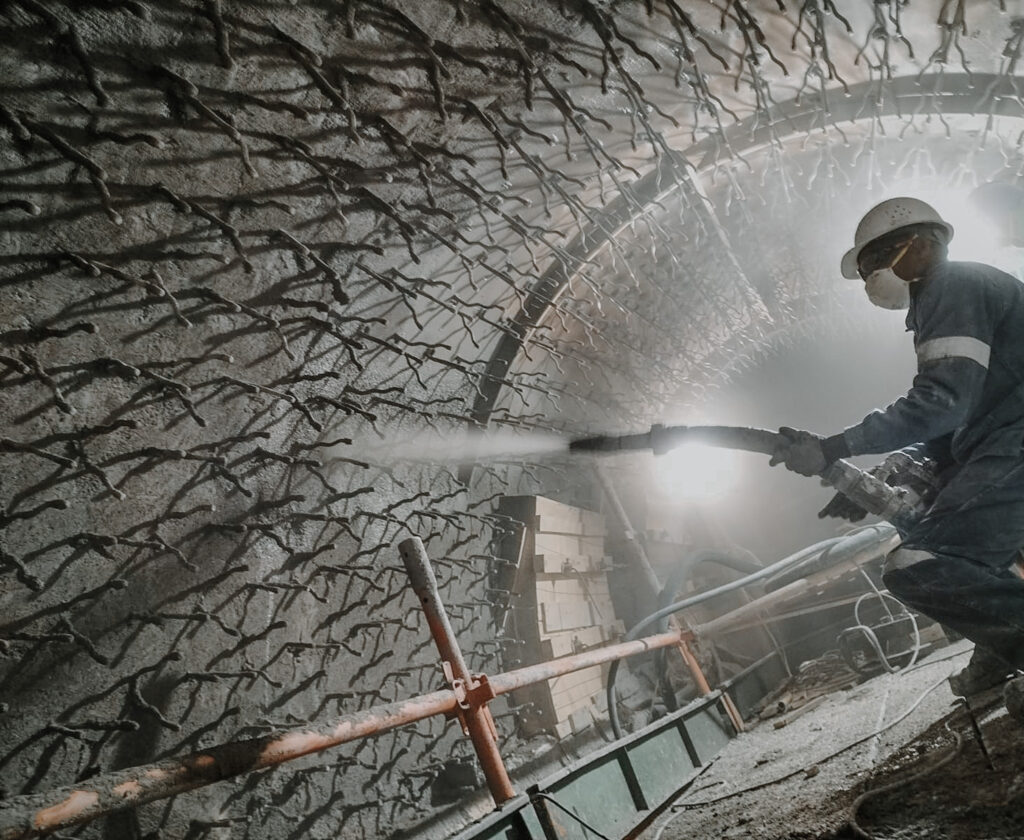
- Castable/cast refractory — poured or gunned in place for complex geometries
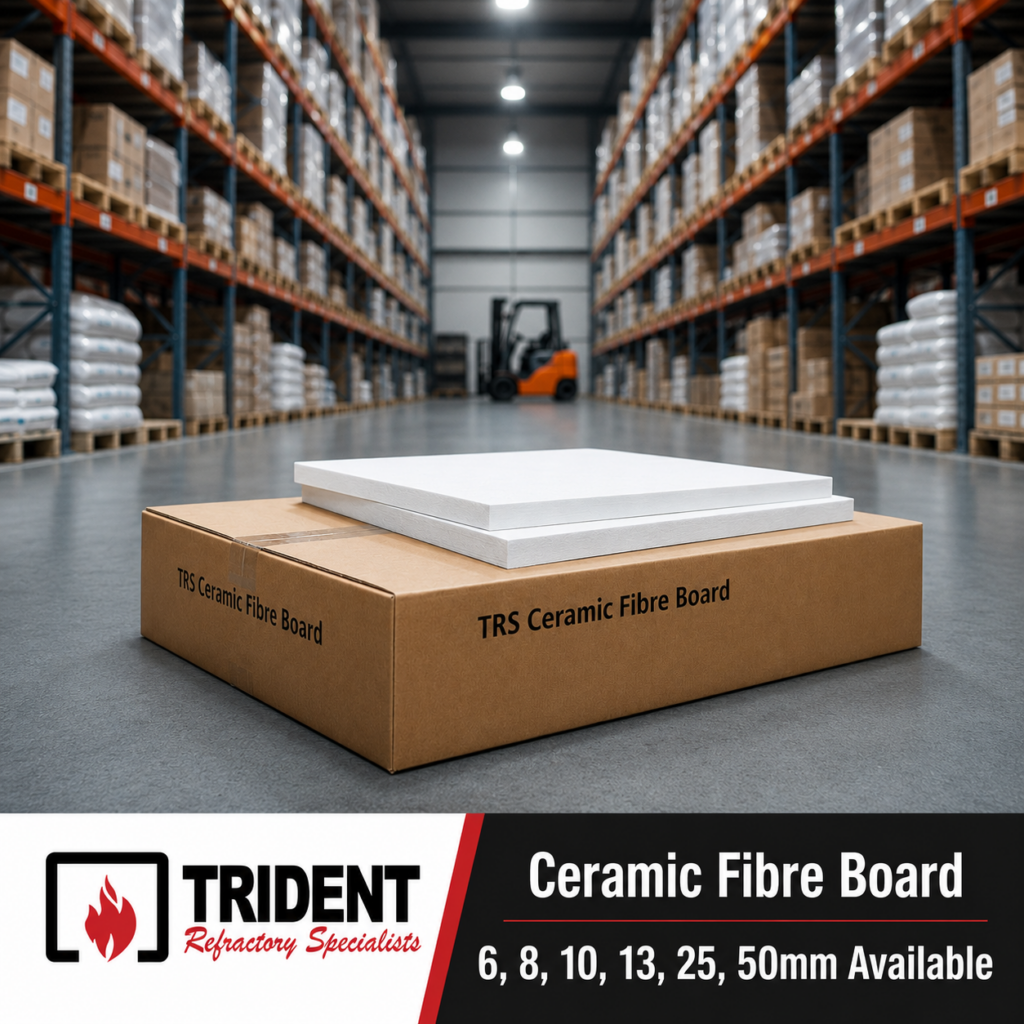
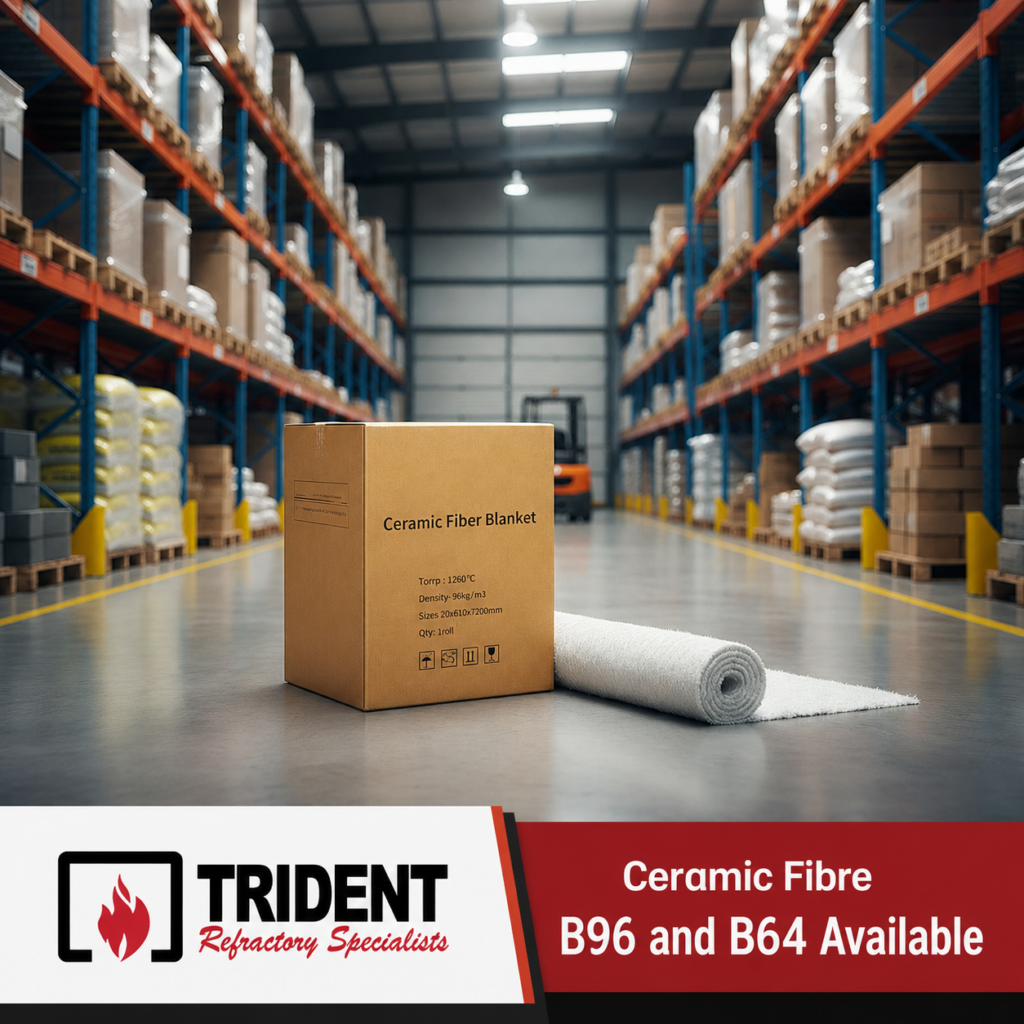
- Ceramic fibre products — lightweight insulation for lower mechanical load areas
- Dual lining systems — combining a dense working layer with an insulating backup layer for better thermal efficiency
Anchors are a critical, often underestimated, part of the system. They’re structural components that hold cast and gunned linings to the shell, not an accessory. A lining is only as reliable as the anchors supporting it.
Why Lining Condition Matters
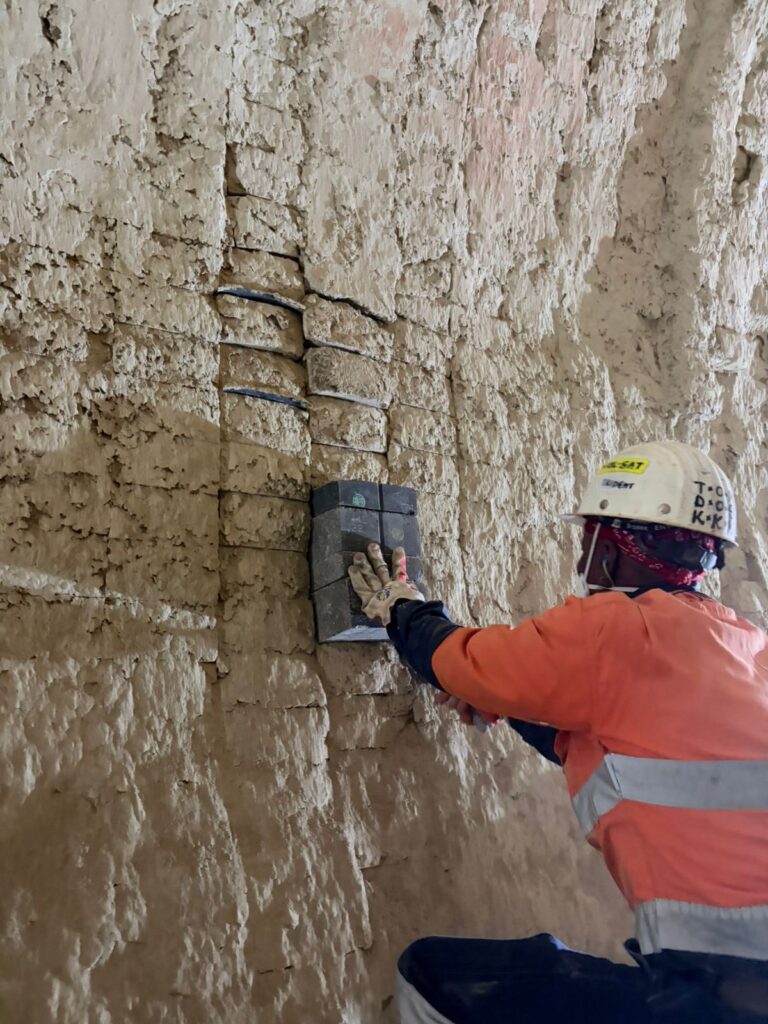
Refractory lining wears down over time, through spalling, erosion, hot spots, and eventual brick fall-out. Left unaddressed, this leads to unplanned shutdowns, safety risk, and shell damage that’s far more expensive to fix than the lining itself.
Regular inspection during planned maintenance windows is the difference between a scheduled patch repair and an emergency shutdown.
Repair Options: Patch vs Full Reline
Not every lining issue needs a full reline. Patch repairs are a legitimate, cost-effective option when localised wear is caught early or when budget and shutdown timing don’t allow for a complete relining in the current window. A full reline or demolition and rebuild is the right call when wear is extensive or structural.
The key is assessing lining condition accurately before deciding which approach fits your maintenance schedule and budget.
Frequently Asked Questions
How long does refractory lining last? Lifespan depends on the industry, operating temperature, chemical exposure, and cycling frequency, but most industrial linings can run a few years between major relines, with patch repairs extending that further.
How do I know if my lining needs repair or full replacement? Localised spalling or hot spots usually point to a patch repair. Widespread erosion, structural anchor failure, or repeated hot spots across the lining point to a full reline.
Who installs refractory lining in South Africa? Specialist refractory contractors handle installation, relining, and demolition. Trident Refractory Specialists operates from KwaZulu-Natal, the Western Cape, and North West.
Trident Refractory Specialists carries out refractory installation, relining, demolition, patch repairs, and material supply, including fire bricks, mortars, ceramic fibre products, and anchors, from branches in KwaZulu-Natal, the Western Cape, and North West.
If your lining is due for inspection or you’re planning your next shutdown, get in touch:
Phone: 031 785 2100 Website: www.tridentrefractory.com Email: info@tridentrs.co.za